

The supplement industry generates over $50 billion a year.
Most products are underdosed, overmarketed, and built on weak science.
A small subset genuinely work — and the research is unambiguous about which ones.
This guide covers only the 7 supplements with strong, replicated scientific evidence behind them. For each one, we explain the mechanism (what it actually does inside your body), who it's relevant for, and the precise dose and timing that makes it effective. No hype. No filler ingredients. Just what the research actually supports.
This article contains affiliate links. If you purchase through them, we may earn a small commission at no extra cost to you. This does not influence our recommendations — we only list supplements with independent research behind them.
Important
Supplements enhance a solid foundation — they don't replace it. If your training, nutrition, and sleep aren't consistent, no supplement will compensate. Get the basics right first, then add these on top.
What You'll Learn
- What each supplement actually does inside your body
- The exact dose and timing that makes each one effective
- Which ones are essential vs optional depending on your goals
- What to avoid and common mistakes people make with each
Priority Order
- Essential: Creatine monohydrate, Whey protein, Omega-3 fish oil
- Recommended: Vitamin D3, Caffeine (if needed), Magnesium
- Optional: BCAAs (only if you train fasted)
Creatine Monohydrate
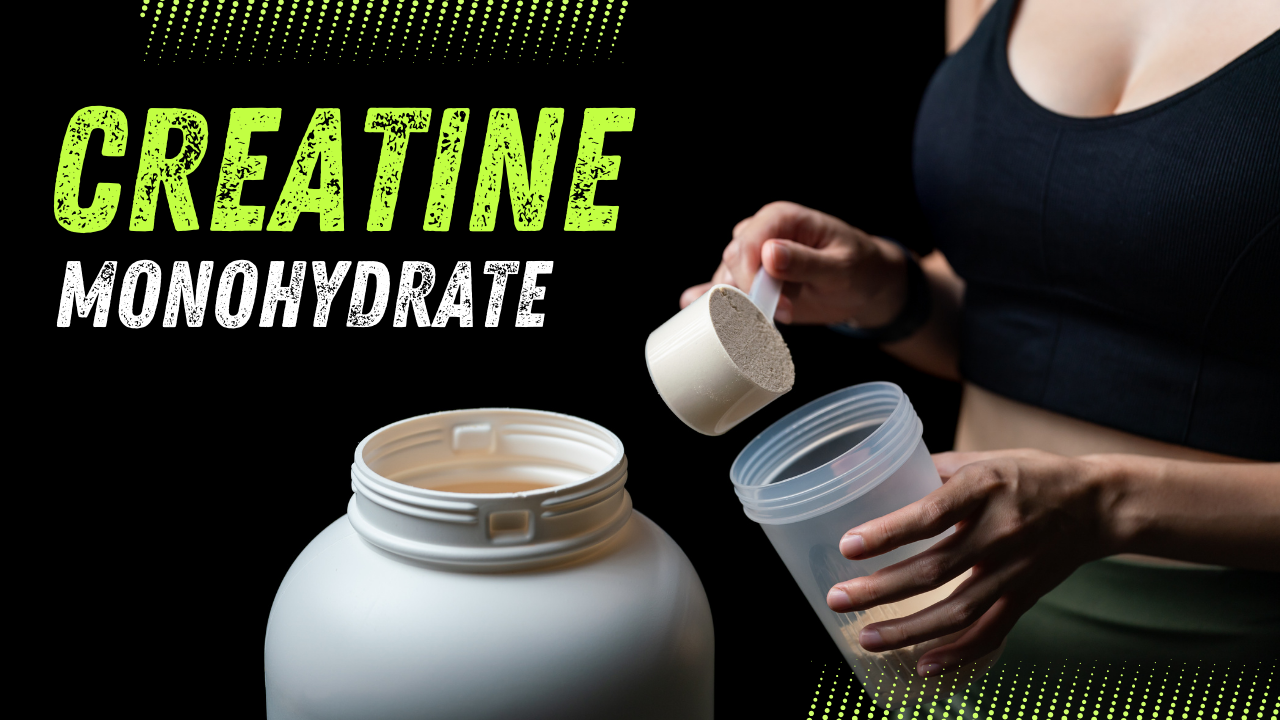
Creatine is the most researched sports supplement in existence — with hundreds of peer-reviewed studies confirming its effectiveness.[1] It's stored in your muscles as phosphocreatine, which your body uses to rapidly regenerate ATP (adenosine triphosphate) — your primary energy currency during explosive, high-intensity effort like heavy lifting or sprinting.
What this means in practice: you can push out 1–2 extra reps on your heaviest sets, recover faster between sets, and accumulate more training volume over time. More volume means more muscle stimulus, which drives both muscle growth and the elevated resting metabolism that supports fat loss. Creatine doesn't burn fat directly — it makes your training harder and more productive, and the compounding effect over months is significant.
It also causes a small amount of water retention inside the muscle cells (not under the skin), which makes muscles look fuller and can add 1–2kg to the scale in the first week — this is not fat gain, and it's temporary while your muscles saturate.
Daily Dose
3–5g per day
Timing
Any time — consistency matters more than timing
Loading Phase?
Not necessary — just start at 5g/day
Form
Monohydrate only — ignore expensive variants
Whey Protein
Recommended Pick
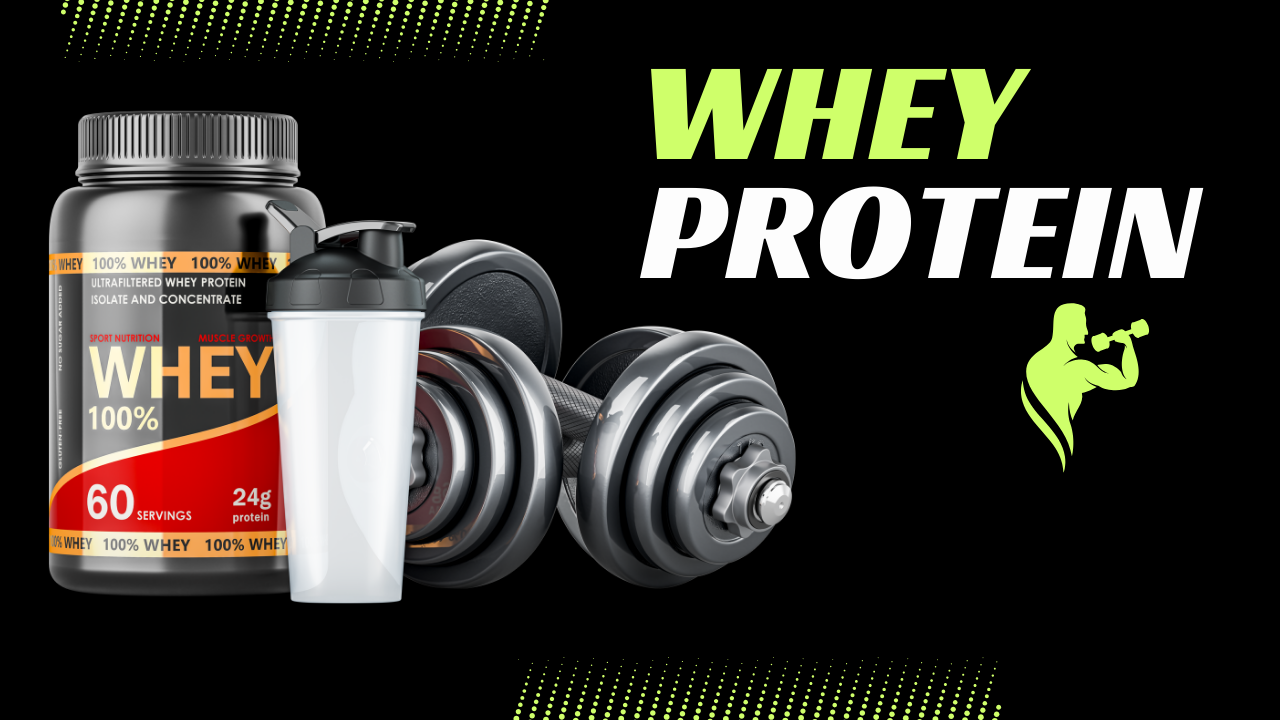
Optimum Nutrition Gold Standard Whey is the benchmark — consistently top-rated, high leucine content, and available in every major market.
→ Check price on AmazonWhey protein isn't magic — it's a highly convenient, fast-digesting source of complete protein derived from milk. Its value is practical: most people struggle to consistently hit their daily protein target (1.6–2.2g per kg of bodyweight) through whole food alone. A single scoop gives you 25–30g of protein in under two minutes with no cooking required.
Whey is particularly rich in leucine — the amino acid most responsible for triggering muscle protein synthesis, the process by which your muscles repair and grow after training.[2] It digests rapidly, which makes it ideal post-workout when your muscles are most receptive to amino acids. It also works as a high-protein breakfast or snack when you need to hit your numbers without overeating calories.
If your diet already supplies adequate protein — roughly 0.8g per pound of bodyweight daily — you don't need whey. Food first, always.
Per Serving
1 scoop (25–30g protein)
Best Timing
Within 1–2 hours post-workout
Daily Use
1–2 scoops — only to fill protein gaps
Alternative
Casein protein before bed for slow release
Omega-3 Fish Oil
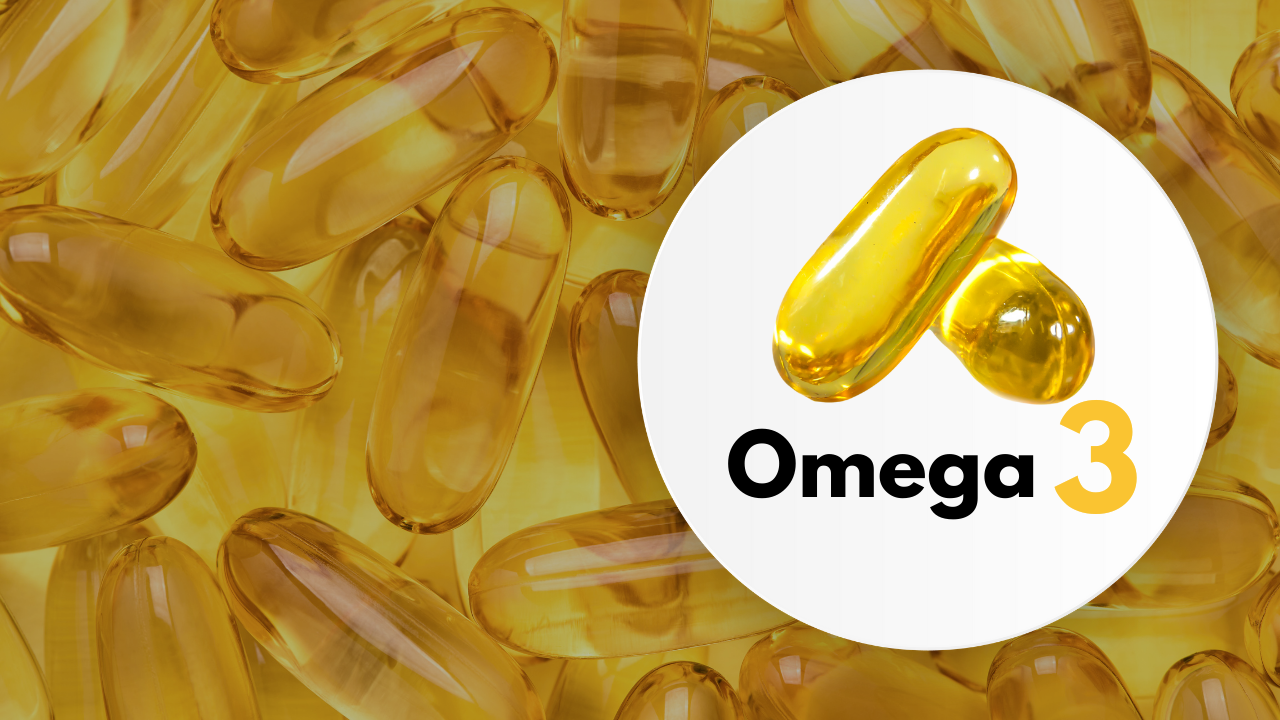
Omega-3 fatty acids — specifically EPA and DHA found in fish oil — are essential fats your body cannot synthesise on its own. Most people following a modern diet are significantly deficient in them because they eat very little fatty fish. This deficiency has measurable consequences: increased systemic inflammation, impaired recovery, joint pain, and reduced insulin sensitivity.
For anyone training regularly, omega-3s serve three critical functions. They reduce exercise-induced inflammation, which speeds up recovery between sessions. They support joint health, reducing the cumulative wear that heavy training places on connective tissue. And research shows omega-3s may also support fat oxidation by improving how efficiently cells respond to insulin, helping the body preferentially use fat as fuel during exercise.[3]
Daily Dose
2–3g combined EPA + DHA
Timing
With a meal containing fat for best absorption
Form
Check EPA/DHA on label — not total fish oil weight
Alternative
Algae-based omega-3 for plant-based diets
Vitamin D3
Vitamin D3 is technically a hormone precursor, not just a vitamin. It plays a critical role in testosterone production, immune function, bone density, and mood regulation — all of which directly affect your ability to train hard and recover properly. An estimated 40–50% of the global population is deficient in it, particularly people who live in northern latitudes or spend most of their day indoors.
Research has directly linked vitamin D supplementation to increased testosterone levels in deficient men — making it one of the most impactful and underused performance supplements available at a very low cost.[4] Low vitamin D quietly undermines your training: reduced testosterone means less muscle-building potential, more body fat retention, and lower energy levels across the board.
Daily Dose
2,000–4,000 IU
Timing
Morning, with a meal containing fat
Pair With
Vitamin K2 (100mcg) to direct calcium to bones, not arteries
Check
Blood test to confirm deficiency before high-dose use
Caffeine

Caffeine is the most widely used performance-enhancing substance in the world — and one of the very few with overwhelming scientific consensus behind it.[5] It works by blocking adenosine receptors in the brain. Adenosine accumulates throughout the day and signals fatigue. Block it, and you feel alert, focused, and ready to train at a higher intensity.
For fat loss, caffeine measurably increases the rate of fat oxidation — your body's ability to break down stored fat and use it as fuel, particularly during aerobic exercise. It also slightly elevates metabolic rate and suppresses appetite in the short term. Taken 30–45 minutes before training, it increases strength output, endurance, and total training volume.
The trap most people fall into is using it too late in the day. Caffeine's half-life is 5–6 hours, meaning half of a 200mg dose taken at 3pm is still active at 9pm — directly degrading sleep quality, which undermines recovery and fat loss more than the caffeine helps.
Effective Dose
3–6mg per kg bodyweight
Timing
30–45 min before training
Avoid After
2–3pm — half-life is 5–6 hours
Tolerance
Cycle off 1–2 weeks monthly to maintain sensitivity
Magnesium
Magnesium is involved in over 300 enzymatic processes in the human body — including muscle contraction, protein synthesis, and energy production. It's also one of the minerals most commonly depleted by heavy training, as significant amounts are lost through sweat. Despite this, most people don't consider it when building their supplement stack.
Its most practical benefit for athletes is sleep quality. Magnesium activates the parasympathetic nervous system (your rest-and-recover state) and plays a direct role in melatonin regulation. Clinical research has shown it can increase deep sleep duration and reduce nighttime waking.[6] Since sleep quality directly affects cortisol, hunger hormones, and fat storage, this makes magnesium a high-leverage supplement for anyone training seriously.
Daily Dose
300–400mg elemental magnesium
Best Timing
30–60 minutes before bed
Best Form
Glycinate or malate — avoid oxide (poor absorption)
Food Sources
Pumpkin seeds, spinach, dark chocolate, almonds
BCAAs (Branched-Chain Amino Acids)

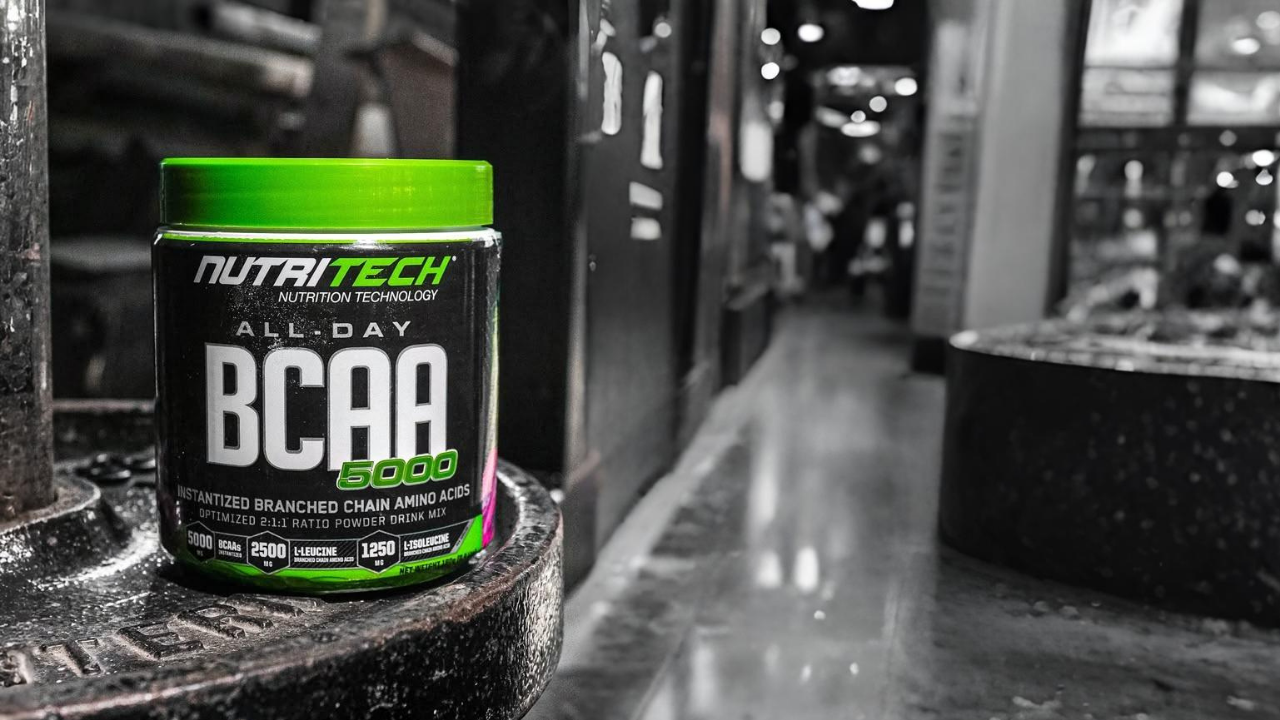
BCAAs — leucine, isoleucine, and valine — are the three amino acids most directly involved in triggering muscle protein synthesis. They've been heavily marketed for years, but the evidence tells a more nuanced story: if you're already hitting your daily protein target through food and whey, BCAAs offer minimal additional benefit. Your protein intake already supplies them in adequate amounts.[7]
Where BCAAs genuinely earn their place is fasted training. If you train first thing in the morning without eating, 5–10g of BCAAs before your session provides a meaningful anti-catabolic effect — protecting muscle tissue from being broken down for energy during the workout. In this specific scenario, they're a cost-effective way to preserve muscle while maintaining a fasted state for potential fat-burning benefits.
Dose
5–10g before fasted training
Ratio
2:1:1 leucine to isoleucine to valine
Skip If
You eat a meal before training — it's redundant
Budget Alternative
Just eat 20g protein before training instead
Where to Start
If you're new to supplements, don't try to buy all 7 at once. Here's a sensible order based on impact per pound spent:
Creatine monohydrate
Most researched, cheapest per dose, most proven results. Start here, always.
Omega-3 fish oil + Vitamin D3
Both address common deficiencies that actively hurt performance and recovery. Inexpensive and high-impact.
Whey protein (if needed)
Only if you're consistently struggling to hit protein from whole food alone. Otherwise skip.
Caffeine + Magnesium
Add once the foundation is in place. Caffeine pre-workout, magnesium before bed.
Build the full picture
Supplements are the final layer. Make sure your training and nutrition foundation is solid first.
Written by Younes Ouba — Founder of SpotyFlex. Full-stack developer and fitness enthusiast focused on strength training and science-backed nutrition.
Scientific References
- Lanhers C, et al. Creatine Supplementation and Upper Limb Strength Performance: A Systematic Review and Meta-Analysis. Sports Medicine, 2017. PubMed ↗
- Morton RW, et al. A systematic review, meta-analysis and meta-regression of the effect of protein supplementation on resistance training-induced gains in muscle mass and strength. British Journal of Sports Medicine, 2018. PubMed ↗
- Smith GI, et al. Omega-3 polyunsaturated fatty acids augment the muscle protein anabolic response to hyperinsulinaemia-hyperaminoacidaemia in healthy young and middle-aged men and women. Clinical Science, 2011. PubMed ↗
- Pilz S, et al. Effect of vitamin D supplementation on testosterone levels in men. Hormone and Metabolic Research, 2011. PubMed ↗
- Goldstein ER, et al. International society of sports nutrition position stand: caffeine and performance. Journal of the International Society of Sports Nutrition, 2010. PubMed ↗
- Abbasi B, et al. The effect of magnesium supplementation on primary insomnia in elderly: A double-blind placebo-controlled clinical trial. Journal of Research in Medical Sciences, 2012. PubMed ↗
- Wolfe RR. Branched-chain amino acids and muscle protein synthesis in humans: myth or reality? Journal of the International Society of Sports Nutrition, 2017. PubMed ↗
The supplement industry is worth billions.
Most of it is noise, marketing, and overpriced powder.
But a handful of supplements are genuinely backed by research — and they're worth knowing about.
This guide cuts through the clutter. We're covering only the 7 supplements that have strong scientific evidence behind them, explaining exactly what each one does in your body, who it's for, and the precise dosage and timing that makes them effective. No hype. No affiliate motivation. Just the ones that actually work.
This article contains affiliate links. If you purchase through them, we may earn a small commission at no extra cost to you.
Important
Supplements enhance a solid foundation — they don't replace it. If your training, nutrition, and sleep aren't consistent, no supplement will compensate. Get the basics right first, then add these on top.
What You'll Learn
- What each supplement actually does inside your body
- The exact dose and timing that makes each one effective
- Which ones are essential vs optional depending on your goals
- What to avoid and common mistakes people make with each
Priority Order
- Essential: Creatine monohydrate, Whey protein, Omega-3 fish oil
- Recommended: Vitamin D3, Caffeine (if needed)
- Optional: Magnesium, BCAAs (only if you train fasted)
Creatine Monohydrate
Creatine is the most researched supplement in existence — with hundreds of studies confirming it works. It's stored in your muscles as phosphocreatine, which your body uses to rapidly regenerate ATP (adenosine triphosphate) — your primary energy currency during explosive, high-intensity effort like heavy lifting or sprinting.
What this means in practice: you can push out 1–2 extra reps on your heaviest sets, recover faster between sets, and accumulate more training volume over time. More volume = more muscle stimulus = more fat-burning muscle mass. Creatine doesn't burn fat directly — it makes your training harder and more productive, which drives fat loss indirectly.
It also causes a small amount of water retention inside the muscle cells (not under the skin), which makes muscles look fuller and can add 1–2kg to the scale in the first week — this is not fat gain.
Daily Dose
3–5g per day
Timing
Any time — consistency matters more than timing
Loading Phase?
Not necessary — just start at 5g/day
Form
Monohydrate only — ignore expensive variants
Whey Protein
Recommended Pick
Optimum Nutrition Gold Standard Whey is the benchmark — consistently top-rated, high leucine content, and available in every major market.
→ Check price on AmazonWhey protein isn't magic — it's just a highly convenient, fast-digesting source of complete protein derived from milk. Its value is practical: most people struggle to hit their daily protein target (1.6–2.2g per kg of bodyweight) through whole food alone. A single scoop of whey gives you 25–30g of protein in under 2 minutes with no cooking required.
Whey is particularly rich in leucine — the amino acid most responsible for triggering muscle protein synthesis (the process by which your muscles actually repair and grow after training). It digests rapidly, which makes it ideal post-workout when your muscles are most receptive to protein.
It also works perfectly as a high-protein breakfast or snack when you're short on time and need to hit your numbers without overeating calories.
Per Serving
1 scoop (25–30g protein)
Best Timing
Within 1–2 hours post-workout
Daily Use
1–2 scoops — only to fill protein gaps
Alternative
Casein protein before bed for slow release
Omega-3 Fish Oil
Omega-3 fatty acids — specifically EPA and DHA found in fish oil — are essential fats your body cannot produce on its own. Most people consuming a modern diet are significantly deficient in them because they eat very little fatty fish. This deficiency has real consequences: increased systemic inflammation, impaired recovery, joint pain, and reduced insulin sensitivity.
For athletes and anyone training regularly, omega-3s serve three critical functions. They reduce exercise-induced inflammation, which speeds up recovery between sessions. They support joint health, reducing the cumulative wear that heavy training puts on connective tissue. And research increasingly shows omega-3s may support fat oxidation by improving how efficiently cells respond to insulin, helping your body use fat as fuel.
Daily Dose
2–3g combined EPA + DHA
Timing
With a meal containing fat for best absorption
Form
Fish oil capsules or liquid — check EPA/DHA on label, not total fish oil
Alternative
Algae-based omega-3 for plant-based diets
Vitamin D3
Vitamin D3 is technically a hormone precursor, not just a vitamin. It plays a critical role in testosterone production, immune function, bone density, and mood regulation — all of which directly affect your ability to train hard and recover properly. An estimated 40–50% of the global population is deficient in it, particularly people who live in northern latitudes or work indoors most of the day.
For anyone serious about fitness, low vitamin D is quietly working against you: reduced testosterone levels mean less muscle-building potential, more body fat retention, and lower energy levels. It's one of the most impactful supplements you can add for a very low cost.
Daily Dose
2,000–4,000 IU
Timing
Morning, with a meal containing fat
Pair With
Vitamin K2 (100mcg) to direct calcium to bones, not arteries
Check
Blood test to confirm deficiency before high-dose use
Caffeine
Caffeine is the most widely used performance-enhancing substance in the world — and it's one of the few that has overwhelming research to back it up. It works by blocking adenosine receptors in the brain. Adenosine is what builds up during the day and makes you feel tired. Block it, and you feel alert, focused, and ready to train harder.
For fat loss, caffeine increases the rate of fat oxidation — your body's ability to break down stored fat and use it as fuel, particularly during aerobic exercise. It also slightly elevates metabolic rate and suppresses appetite in the short term. Taken 30–45 minutes before training, it measurably increases strength output, endurance, and total training volume.
Effective Dose
3–6mg per kg bodyweight
Timing
30–45 min before training
Avoid After
2–3pm — half-life is 5–6 hours
Tolerance
Cycle off 1–2 weeks monthly to maintain sensitivity
Magnesium
Magnesium is involved in over 300 enzymatic processes in the human body — including muscle contraction, protein synthesis, and energy production. It's also one of the minerals most commonly depleted by heavy training, as you lose significant amounts through sweat. Yet most people don't think about it at all.
The reason magnesium is particularly valuable for people who train is its impact on sleep quality. Magnesium activates the parasympathetic nervous system (your rest-and-recover mode) and regulates melatonin. Taking it before bed has been shown to increase deep sleep duration and reduce nighttime waking — and as covered in tip 5 of our fat loss guide, sleep quality directly impacts fat loss through its effect on cortisol and hunger hormones.
Daily Dose
300–400mg elemental magnesium
Best Timing
30–60 minutes before bed
Best Form
Magnesium glycinate or malate — avoid oxide (poor absorption)
Food Sources
Pumpkin seeds, spinach, dark chocolate, almonds
BCAAs (Branched-Chain Amino Acids)
BCAAs — leucine, isoleucine, and valine — are the three amino acids most directly involved in muscle protein synthesis. They've been marketed aggressively for years, but the honest truth is: if you're already hitting your daily protein target through food and whey, BCAAs offer minimal additional benefit. Your protein intake already contains plenty of BCAAs.
Where BCAAs genuinely earn their place is fasted training. If you train first thing in the morning without eating, taking 5–10g of BCAAs before your session protects your muscle tissue from being broken down for energy — a process called catabolism. In this specific scenario, they're a cost-effective way to preserve muscle while training in a fasted state.
Dose
5–10g before fasted training
Ratio
2:1:1 leucine to isoleucine to valine
Skip If
You eat a meal before training — it's redundant
Budget Alternative
Just eat 20g protein before training instead
Where to Start
If you're new to supplements, don't try to buy all 7 at once. Here's a sensible order based on impact per pound spent:
Creatine monohydrate
Most researched, cheapest per dose, most proven results. Start here, always.
Omega-3 fish oil + Vitamin D3
Both address common deficiencies that actively hurt performance and recovery. Inexpensive and high-impact.
Whey protein (if needed)
Only if you're consistently struggling to hit protein from whole food alone. Otherwise skip.
Caffeine + Magnesium
Add once the foundation is in place. Caffeine pre-workout, magnesium before bed.
Build the full picture
Supplements are the final layer. Make sure your training and nutrition foundation is solid first.
Written by Younes Ouba — Founder of SpotyFlex. Full-stack developer and fitness enthusiast focused on strength training and science-backed nutrition.
Scientific References
- Lanhers C, et al. Creatine Supplementation and Upper Limb Strength Performance: A Systematic Review and Meta-Analysis. Sports Medicine, 2017. PubMed ↗
- Morton RW, et al. A systematic review, meta-analysis and meta-regression of the effect of protein supplementation on resistance training-induced gains in muscle mass and strength. British Journal of Sports Medicine, 2018. PubMed ↗
- Smith GI, et al. Omega-3 polyunsaturated fatty acids augment the muscle protein anabolic response to hyperinsulinaemia-hyperaminoacidaemia in healthy young and middle-aged men and women. Clinical Science, 2011. PubMed ↗
- Pilz S, et al. Effect of vitamin D supplementation on testosterone levels in men. Hormone and Metabolic Research, 2011. PubMed ↗
- Goldstein ER, et al. International society of sports nutrition position stand: caffeine and performance. Journal of the International Society of Sports Nutrition, 2010. PubMed ↗
- Abbasi B, et al. The effect of magnesium supplementation on primary insomnia in elderly: A double-blind placebo-controlled clinical trial. Journal of Research in Medical Sciences, 2012. PubMed ↗
- Wolfe RR. Branched-chain amino acids and muscle protein synthesis in humans: myth or reality? Journal of the International Society of Sports Nutrition, 2017. PubMed ↗